
Fascinating Facts About Cats: Discover Surprising Information
You live with a small mystery on four paws, and it shows up daily in your home. Cats nap like professionals, hear what you can’t, and knead blankets as if rent depends on it. These facts about cats turn everyday quirks into clues about how they think and why they behave the way they do.
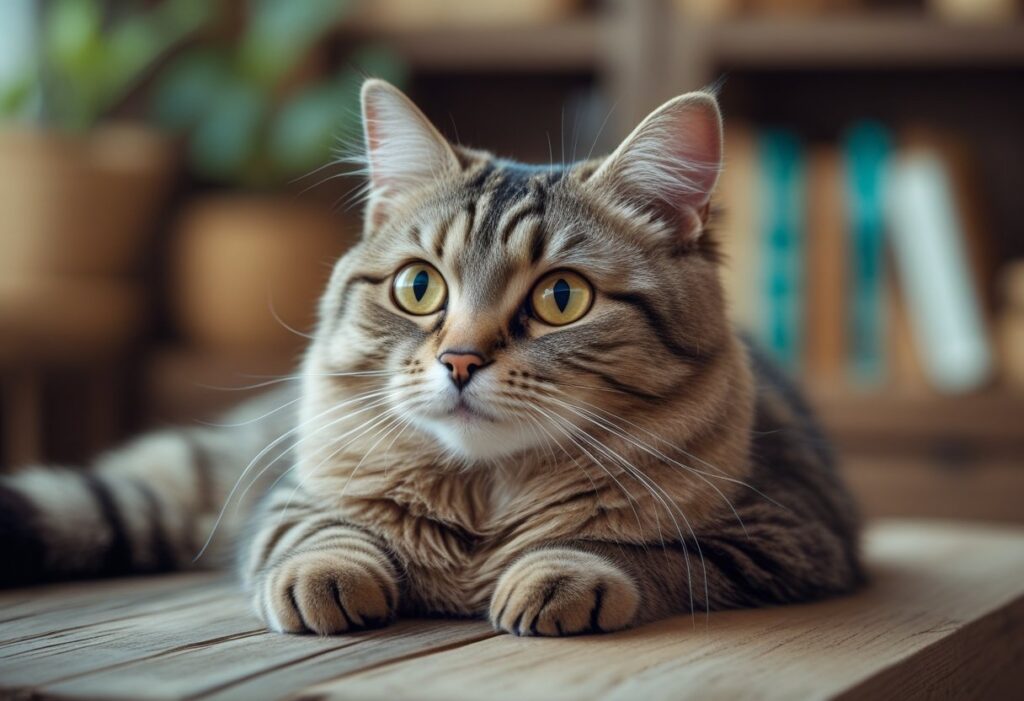
Cats combine unique senses, instinct-driven behaviors, and a long shared history with humans that explains their habits and personalities. You’ll see how sharp hearing, night vision, and odd routines support survival, comfort, and communication. You might also realize your cat isn’t strange at all—just highly specialized.
You’ll also travel beyond the living room to see how cats shaped cultures across time and around the world. From ancient partnerships to modern homes, these fascinating facts about cats add context to every purr, stare, and dramatic sprint down the hallway.
Mind-Blowing Cat Facts: What Makes Cats So Unique?
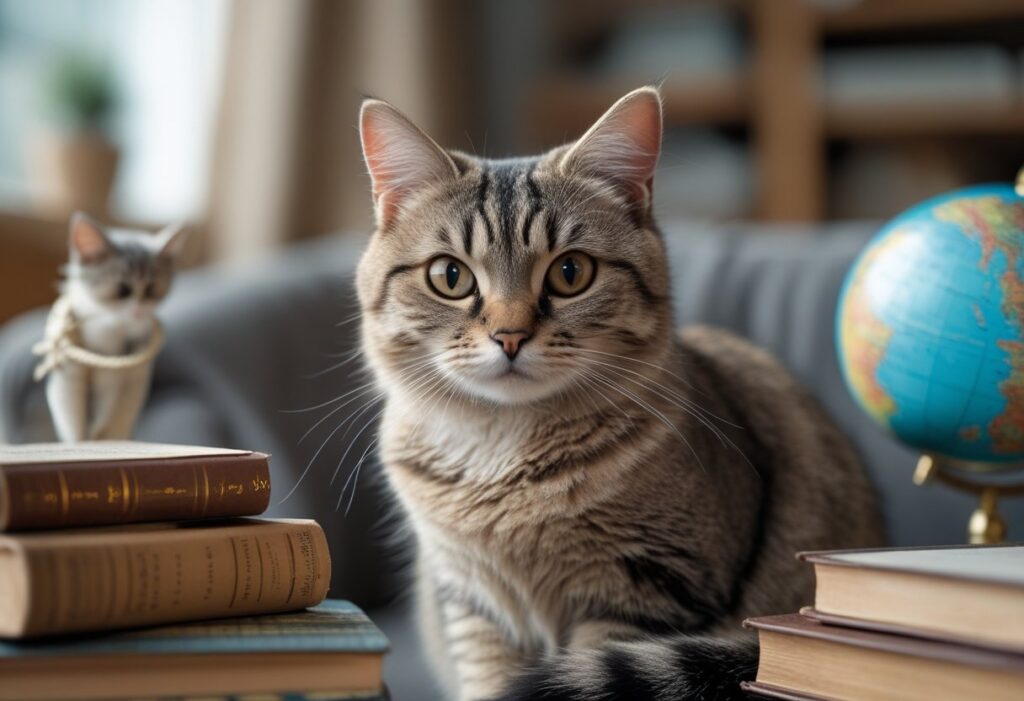
You live with a creature that bends physics, naps like it’s a profession, and communicates with whiskers, paws, and sound effects. These facts explain how domestic cats combine unusual anatomy, precise instincts, and learned behaviors to stay agile, expressive, and oddly in charge of your home.
Unbelievable Physical Abilities and Senses
Your cat’s body runs on specialized hardware. Retractable claws stay protected while walking, then extend in milliseconds for climbing or grabbing toys you regret buying. Flexible spines let cats twist midair or compress through gaps that look impossible.
Vision works differently too. The tapetum lucidum reflects light inside the eye, which boosts night vision and causes that familiar glow when headlights hit. Hearing stays just as impressive. Cats rotate their ears up to 180 degrees, aided by ear furnishings that help funnel sound toward the ear canal.
A few standout features you see daily:
- Toe beans provide traction and scent markers
- Whiskers detect air movement and space limits
- Powerful hind legs deliver short bursts of speed
The Secret World of Cats Behavior
Your cat communicates constantly, just not in words. Kneading traces back to kittenhood, when it stimulated milk flow. As an adult, it signals comfort and territory, often on your stomach at 2 a.m.
Scent matters more than sound. Cats mark areas with facial glands, paws, and tail bases, creating a map only they can read. Many patterns you notice—slow blinking, tail flicks, loafing—form part of everyday cat behavior rather than mood swings.
Sleep plays a role too. Cats balance alertness with rest, spending much of the day dozing to conserve energy. According to data summarized in how much cats sleep each day, this rhythm supports hunting instincts even in living rooms.
Cats and Their Famous Righting Reflex
When your cat falls, you expect chaos. Instead, you get choreography. The righting reflex lets cats orient their bodies midair so their feet face downward before landing.
This works through a clear sequence:
- The head rotates first to find the ground
- The spine twists independently at the front and back
- The legs reposition to absorb impact
Balance organs in the inner ear guide the motion. Flexible bones and the lack of a rigid collarbone allow rotation without injury. This reflex develops early in kittens and explains why short falls still look dramatic, yet controlled.
Why Cats Purr: Not Just for Cuddles
You hear a cat purr and assume happiness. Often, you’re right. Cats purr during comfort, social bonding, and relaxation. Mothers and kittens also use purring for communication before hearing fully develops.
But why cats purr extends beyond affection. Cats may purr when stressed, injured, or healing. Studies suggest the vibration range may support muscle and bone maintenance, which fits with how often cats rest. Behavior-focused summaries like surprising cat communication facts note that purring appears in both calm and tense situations.
You learn to read context. Posture, ear position, and tail movement tell you whether that rumble means “relaxed companion” or “please back away.”
Cats Through Time and Across the Globe
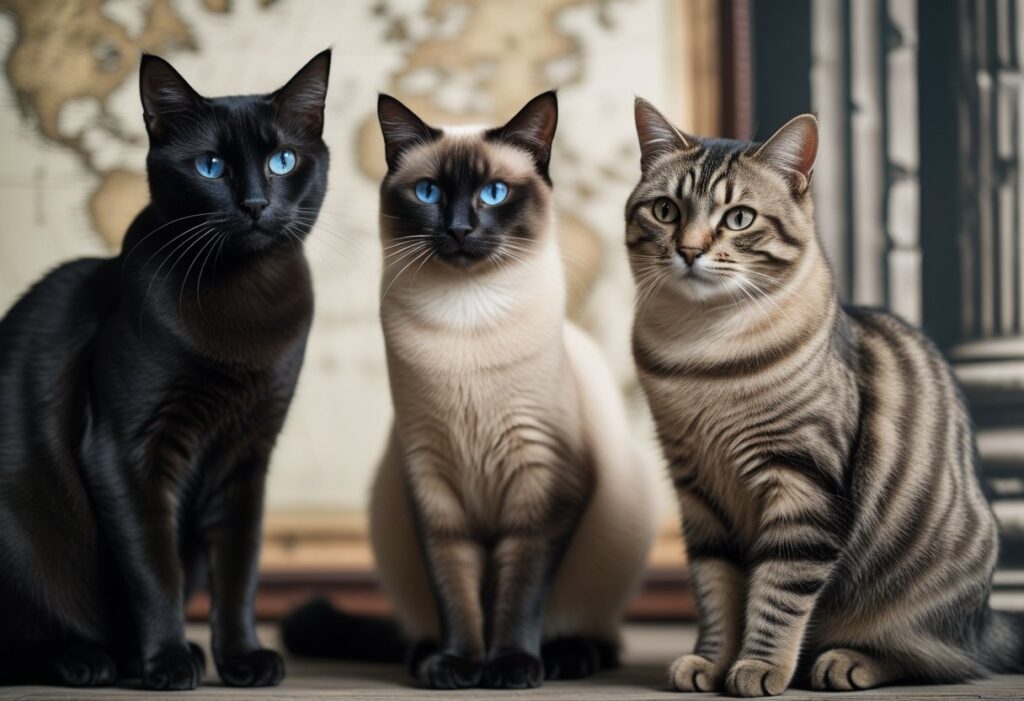
You share your couch with an animal that has ruled temples, traveled to space, and collected official records. Cats shaped human history, evolved into distinct breeds, and still manage to surprise you with strange achievements and odd anatomy.
Ancient History: From Egypt to Space Missions
You can trace cats in history back over 9,000 years, but ancient Egypt took things further. Egyptians linked cats to Bastet, the goddess of protection, and treated them as sacred animals. Families kept pet cats, mourned them deeply, and even created mummified cats for burial, as described in this overview of ancient Egyptian cats and early domestication.
You still see echoes of that era in the Egyptian Mau, one of the oldest known natural breeds. Fast forward to 1963, and cats reached space when Félicette orbited Earth, a little-known story detailed in this article about the first cat in space.

All About Cat Breeds: The Weird, Wild, and Wonderful
You live among more than 70 recognized cat breeds, tracked by organizations like the International Cat Association. Popular breeds such as the Siamese, Maine Coon, and Persian stand out for vocal habits, size, or coat type.
Some breeds exist to challenge expectations. The Sphynx skips fur entirely, the Bengal keeps a wild look, and the Turkish Van often enjoys water. Traits like being polydactyl—having extra toes—appear naturally, especially in Maine Coons.
Domestic cats differ sharply from wild relatives like the cheetah, Siberian tiger, and the tiny black-footed cat, yet they share a common ancestry. This guide to cat behavior and physical traits explains why those differences matter at home.
Famous Cat Stories and Legendary Records
You might call a group of cats a mess, but the proper term is a clowder. A litter of kittens can range from one to eight, depending on health and environment, especially among feral cats.
Records get even stranger. The oldest living cat reached 38 years, a fact noted in this list of verified cat longevity records. Some famous cats gained attention for surviving long falls, sailing across oceans, or simply refusing to obey gravity.
You may not set records, but your cat still acts like it deserves a trophy.